TMJ Treatment in Havertown, PA for Jaw Pain and Comfort Relief
Jaw pain, clicking, and headaches can make everyday tasks like eating and talking uncomfortable. Temporomandibular joint (TMJ) disorders affect the joints and muscles that move your jaw, and they often respond well to care. At Havertown Dental Studio, we offer TMJ treatment to patients across Havertown and the surrounding Philadelphia suburbs. Our team will evaluate your symptoms, explain possible causes, and help you find a plan that eases your discomfort.
What Is TMJ?
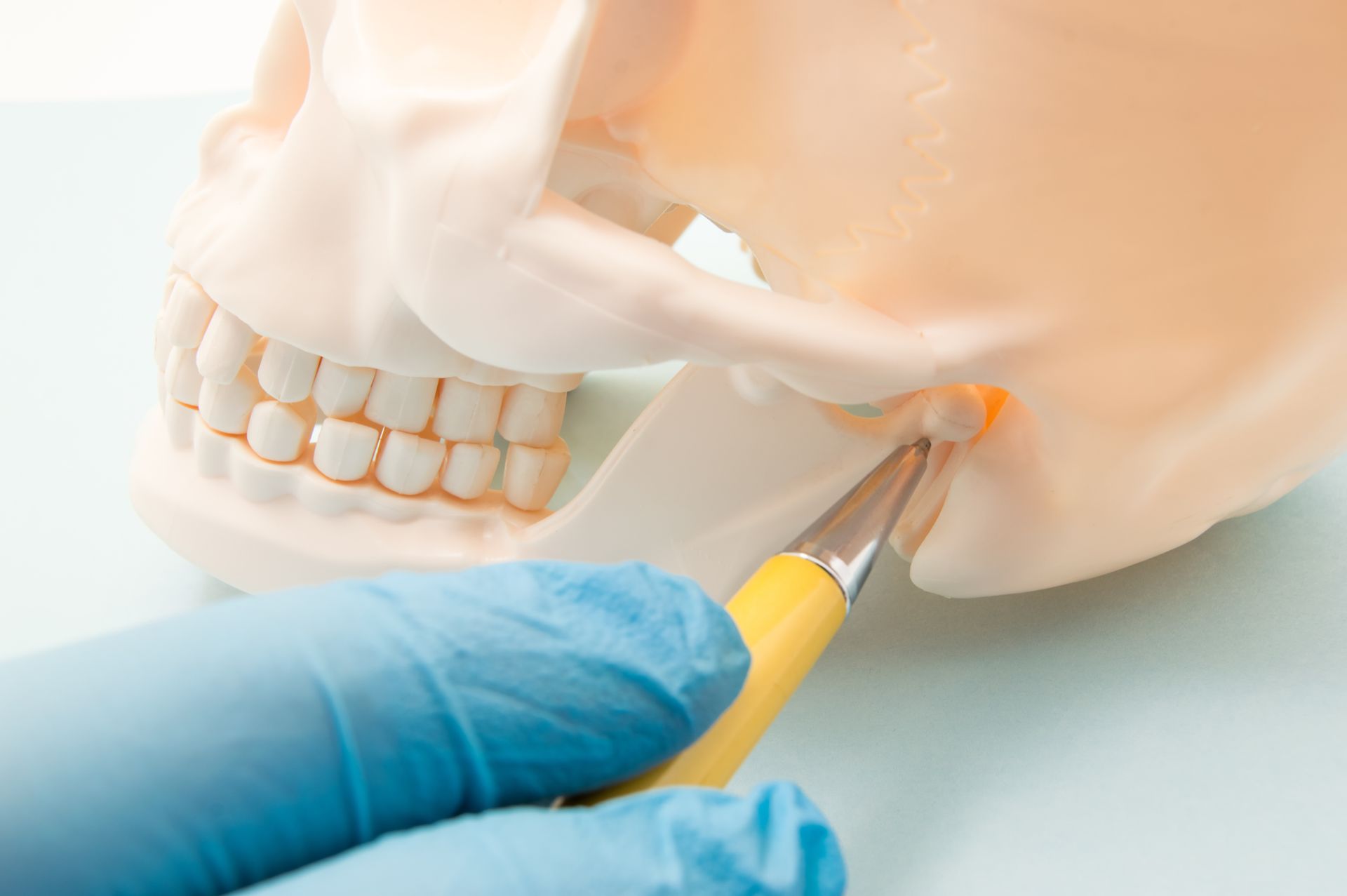
The temporomandibular joints connect your jaw to your skull, one on each side, just in front of your ears. TMJ disorders involve pain or dysfunction in these joints and the surrounding muscles. Symptoms can include jaw soreness, clicking or popping, limited movement, and headaches.
Common Signs of TMJ Problems
You may have a TMJ issue if you notice jaw pain or tenderness, clicking or popping when you open your mouth, trouble opening wide, or pain when chewing. Some patients also have frequent headaches, earaches, or tension in the neck and shoulders. Our team will ask about your symptoms and look at your bite during your exam.
What Can Cause TMJ Disorders?
TMJ problems can have several causes, including teeth grinding or clenching, stress, bite issues, and injury to the jaw. Because the causes vary, we’ll look at your habits and oral health to understand what’s contributing to your symptoms.
Treatment Options for TMJ
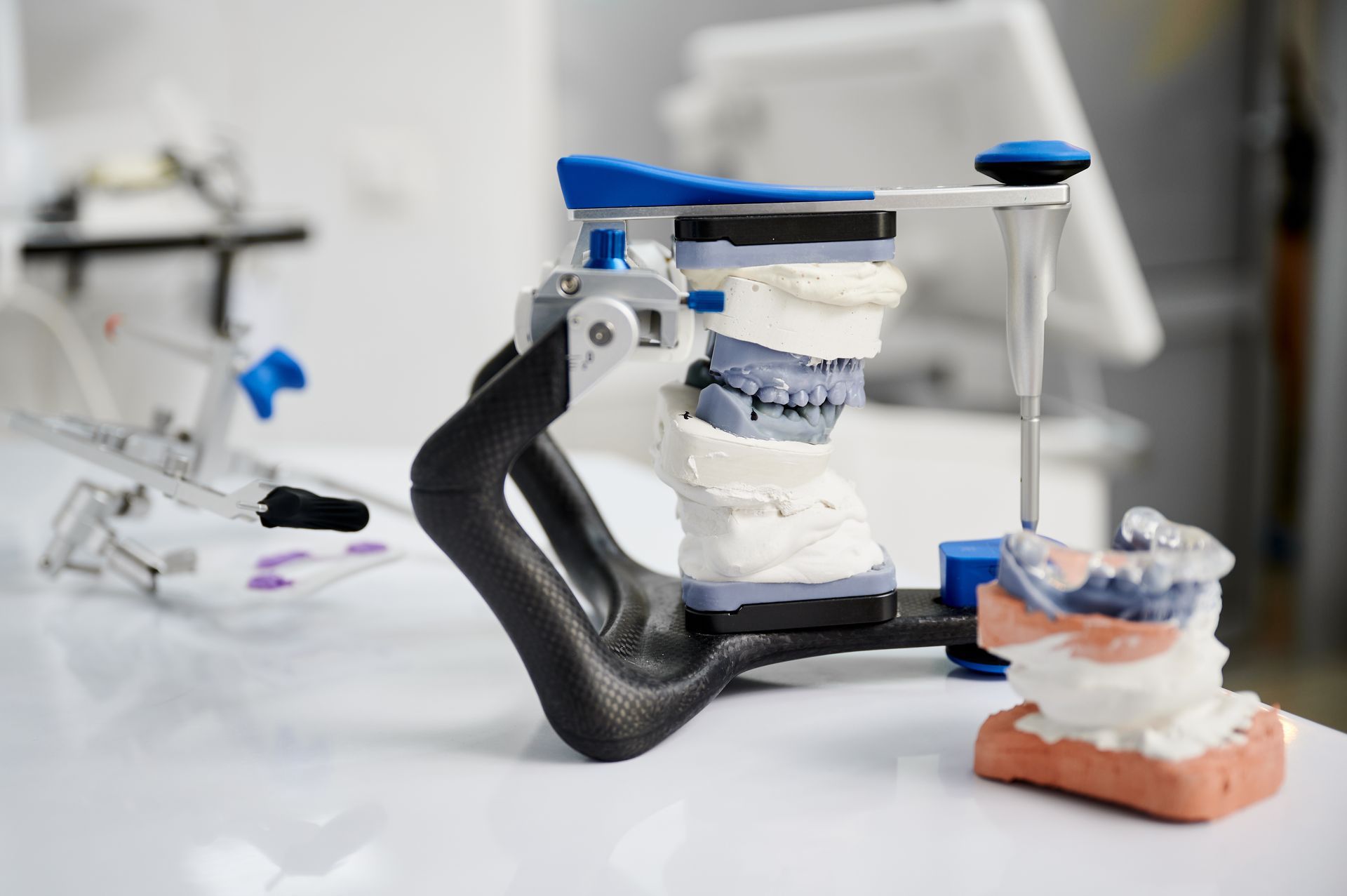
Treatment depends on your symptoms and causes. Options may include custom night guards to protect teeth and ease strain on the jaw, bite adjustments, and guidance on habits like jaw clenching. We’ll explain each option, what it can help with, and how long you may need care.
Night Guards and Relief
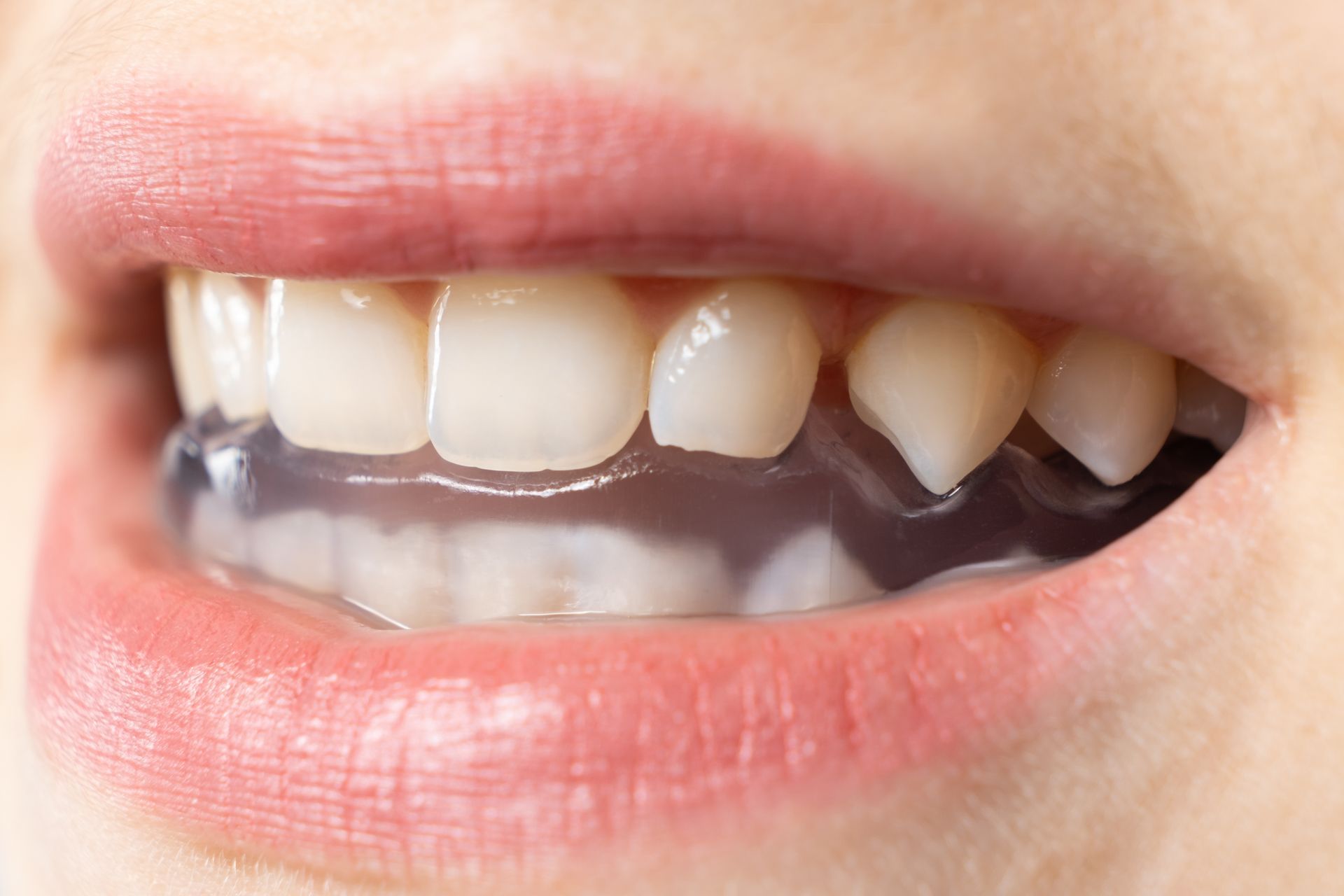
Night guards are one of the most common tools for TMJ care. They’re custom-made to fit your teeth, cushion the bite, and help reduce the effects of nighttime grinding or clenching. Our team will check the fit and comfort at follow-up visits so your guard continues to work well.
Supporting Your Jaw Every Day
Simple habits can ease TMJ discomfort. Try to avoid chewing gum, biting your nails, or resting your chin on your hand. Choose softer foods when your jaw feels sore, and practice relaxing your jaw throughout the day. Let us know if your symptoms change or get worse.
Frequently Asked Questions
Can TMJ problems go away on their own?
Some mild cases improve over time. However, persistent symptoms often benefit from evaluation and treatment, so it’s a good idea to have them checked.Is TMJ treatment painful?
Most TMJ care is conservative and comfortable. We’ll explain each step and let you know what to expect.Will a night guard fix my TMJ?
A night guard can help protect your teeth and reduce strain, and it’s often part of a broader plan. We’ll explain what it can and can’t do for your situation.How do I know if I have TMJ?
A dental exam can help identify the cause of your symptoms. Call (610) 789-7337 to schedule an evaluation.
Struggling with jaw pain or clicking? Request an appointment online or send us a question, and our team will get back to you as soon as possible. You can also call us at (610) 789-7337.




